
Women's Health
Menopause and Perimenopause – A Complete Women's Health Guide

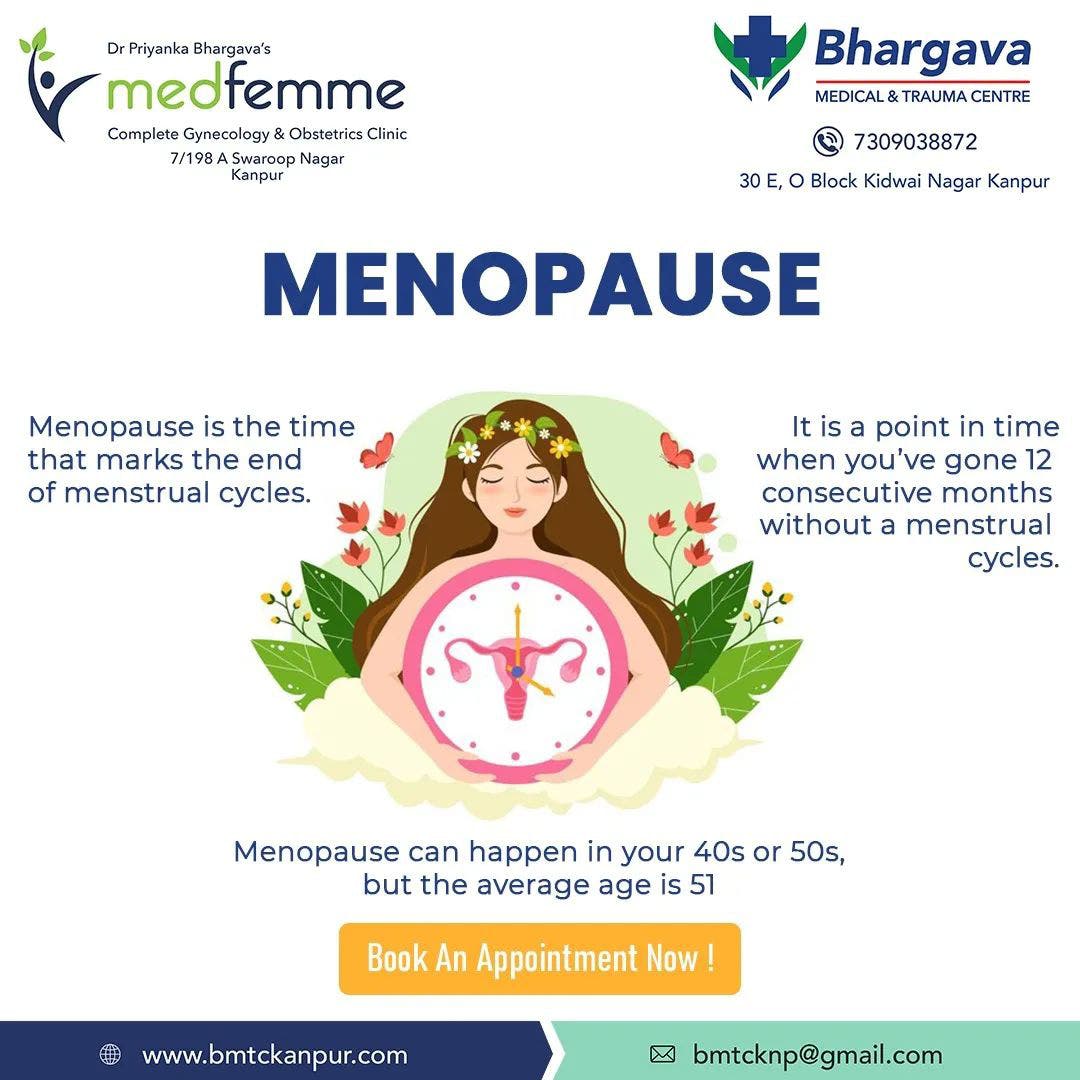
Menopause is a natural stage in a woman's life that marks the end of reproductive years. Although it is a normal biological process, the hormonal changes associated with menopause can affect physical, emotional, and mental well-being.
Perimenopause vs Menopause
- Perimenopause: The transitional period before menopause when hormone levels begin to fluctuate. This can start several years before menopause.
- Menopause: Confirmed when a woman has gone 12 consecutive months without a menstrual period.
Common Symptoms
- Irregular periods
- Hot flashes and night sweats
- Mood swings and sleep disturbances
- Weight gain and reduced energy levels
- Vaginal dryness
Managing the Transition
- Healthy Lifestyle: Regular exercise and balanced nutrition.
- Stress Management: Techniques to support emotional well-being.
- Routine Screenings: Increasingly important as the risk of osteoporosis and heart disease may increase.
Various treatment options are available to improve quality of life during this transition.
Frequently Asked Questions
What is the difference between perimenopause and menopause?
Perimenopause is the transition phase; menopause is when you haven't had a period for 12 months.
What are the first signs of menopause?
Irregular periods, hot flashes, and mood changes are common early signs.
How long does perimenopause last?
It can vary from a few years to a decade.
Can I get pregnant during perimenopause?
Yes, until menopause is confirmed, pregnancy is still possible.
Is there treatment for severe hot flashes?
Yes, lifestyle changes and hormone therapy can provide significant relief.